




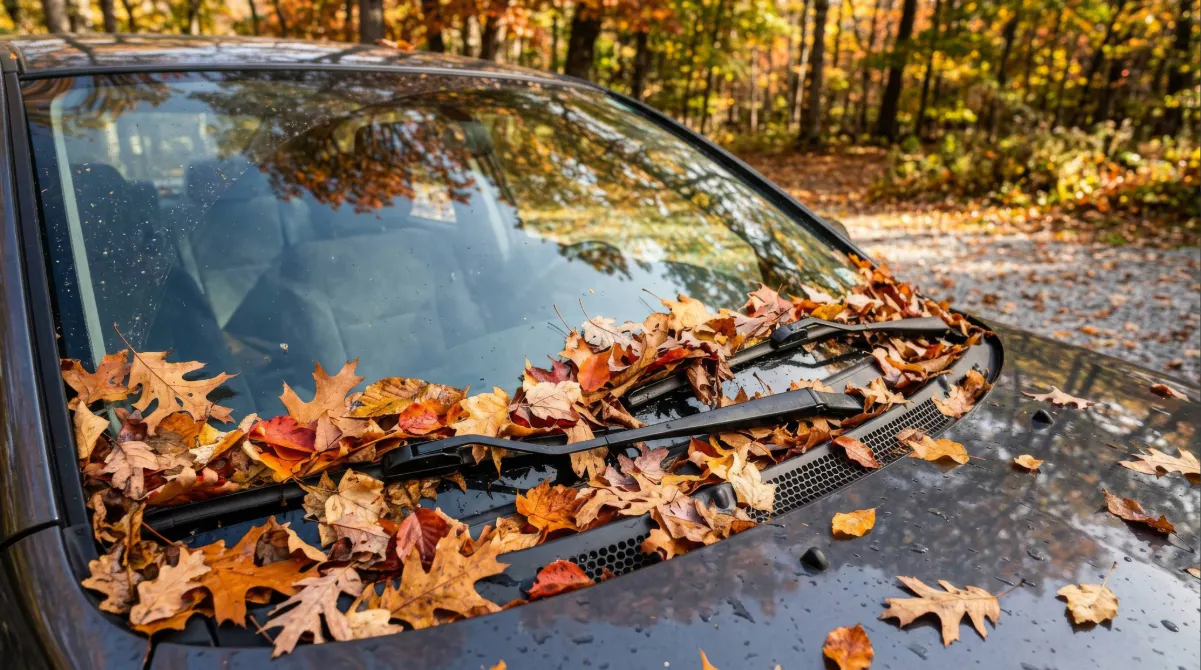
Your Car Is About to Get Tested by Fall. Here’s How to Prep It
Fall Car Care Checklist: Everything Greensboro
Drivers Should Check Before Winter
Fall in the Triad doesn't ease you into winter so much as it ambushes you with it. You'll get a run of 85-degree afternoons, then wake up one morning to 42 degrees and a windshield full of frost, and that swing exposes whatever your car's been quietly struggling with all summer. The team at Battleground Kia sees this pattern every year once temperatures start swinging, so before that happens to you, here's what's worth checking now. The good news is almost everything below takes less than an hour, and doing it now beats finding out the hard way on a cold morning when you're already running late.
Your Battery Might Be Weaker Than You Think
Here's the part most people get backward: summer heat is what actually degrades a battery, not winter cold. Cold just happens to be what finally kills it, because a battery that's lost capacity all season needs more amperage to start a cold engine than it can deliver. So if your battery made it through August without complaint, that tells you almost nothing about whether it'll start your car in December.
- Get it load tested, not just voltage checked. Voltage can look fine on a dying battery
- Check the terminals for corrosion, that white or greenish crust that builds up and quietly resists the current
- Know its age. Most batteries run 3 to 5 years, and if yours is in that window, test it now rather than find out on a 30-degree morning
Tire Pressure Drops Whether You Notice or Not
Air contracts as it cools, and tire pressure drops roughly 1 PSI for every 10-degree dip in temperature. That means a tire sitting at a perfectly fine 32 PSI in September can quietly slide to 26 or 27 by late November with no leak involved at all, just physics.
- Check pressure cold, first thing in the morning, before the tires have warmed up from driving
- Run the quarter test on your tread: if you can see the top of Washington's head, it's time to start shopping
- Watch for uneven wear patterns, which usually mean an alignment issue that's worth fixing before wet fall roads make it more noticeable
- Take the low tire pressure light seriously the first time it comes on, not the third
Fluids Are Easy to Ignore Until They’re Not
None of this feels urgent, which is exactly why it gets skipped, and exactly why it's worth doing anyway.
- Get your oil changed on the actual schedule, not the loose mental estimate of when you last did it
- Check coolant level and condition. It's doing double duty, keeping the engine from overheating in September and from freezing in January
- Switch your washer fluid to a winter blend before the first freeze, so it's not sitting in the reservoir turning to slush right when you need it
- Swap the cabin air filter if your heater or defroster has felt weaker than it should. A clogged filter chokes airflow more than most people realize
Test the Heater and Defroster Before You Actually Need
Them
Nobody finds out their defroster is weak until the first genuinely cold morning, and by then you're driving to work with the windshield half fogged and your sleeve doing the wiping. Test it on a normal day when it doesn't matter:
- Turn the heat up and confirm it actually gets warm, not just moves air around
- Run the defroster and check that it clears the whole windshield, not just a strip near the vents
- Check every exterior light while you're at it. Fall's shorter days mean more of your drive happens after dark, and a burnt-out bulb you haven't noticed yet becomes a real problem fast
Fall Rain Makes Bad Brakes Obvious
A summer's worth of pollen, oil residue, and road grime builds up on pavement, and the first real fall rains turn that into a genuinely slick surface. If your brakes have been a little off, this is the season that exposes it.
- Listen for squealing or grinding when you brake, which usually means the pads are past due
- Notice if the car pulls to one side under braking, a sign worth having looked at sooner rather than later
- If you can't remember your last brake inspection, that's the answer to whether you need one
What You Can Check Yourself vs. What Needs a Shop
Tire pressure, tread depth, and a visual battery check are all things you can do in your own driveway in about twenty minutes. Battery load testing, alignments, and brake inspections need actual equipment and a trained eye, which is where a shop visit earns its keep. The math is simple either way: catching a weak battery or worn pad now costs a fraction of what the same problem costs once it strands you.
If you're due for service or want peace of mind before the weather turns, Battleground Kia's service center can handle it all, using genuine Kia parts and factory-trained technicians, whether you drive a Kia or something else entirely. Schedule service online, or stop by at 2927 Battleground Ave., Greensboro, NC, or call 336-850-8060.
